
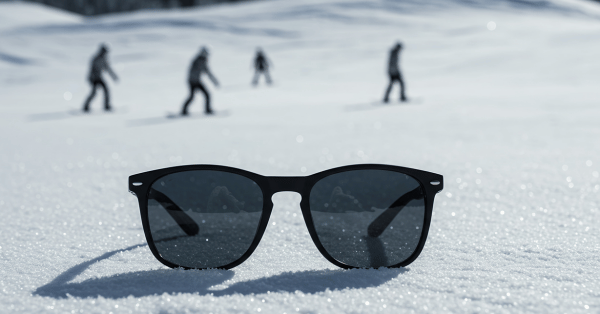
Fashion and performance go hand in hand today. Whether your patients are spending weekends on the golf course, out on the water, hitting the slopes, or simply driving to work, they want eyewear that looks as good as it performs. That growing demand creates an excellent opportunity for your practice to recommend lens enhancements that improve vision, increase comfort, and elevate style.
One of the latest trends making an impact is Transitions Style Mirrors. These fashionable mirror finishes give patients another way to personalize their eyewear while enjoying all the benefits of Transitions lenses. If you are not presenting Style Mirrors as an option, you could be missing an easy opportunity to increase premium lens sales.
We're also seeing a strong resurgence in tinted lenses. Patients are looking for solutions that improve comfort and performance while adding a personalized look. Today's tint recommendations are driven just as much by function as they are by fashion. The right tint can improve contrast, reduce glare, enhance depth perception, and provide greater visual comfort for everyday activities and specialized hobbies.
When you take the time to match a tint to a patient's lifestyle, you are providing more than a stylish pair of glasses. You are delivering a customized visual solution that helps them perform their best.
Everyday Sunwear
Gray
Primary Purpose: General outdoor use in bright sunlight
Gray lenses reduce overall brightness while maintaining true color perception, making them one of the most versatile sun lens options available.
Recommended For:
- Driving
- Everyday outdoor activities
- Walking
- General recreation
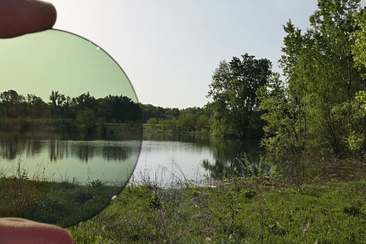 Green (G15)
Primary Purpose: Versatile performance in a variety of lighting conditions
Green tints offer excellent color balance while reducing glare and improving contrast. They perform well in changing light conditions and provide comfortable all-day wear.
Recommended For:
- Golf
- Tennis
- General outdoor sports
- Pilots
- Everyday wear
Contrast-Enhancing Tints
Brown, Amber & Bronze
Primary Purpose: Improved contrast and depth perception
Brown-based tints filter blue light, helping objects stand out against natural backgrounds. They improve depth perception and make greens and reds appear more vibrant.
Recommended For:
- Golf
- Hiking
- Fishing
- Trail activities
- Outdoor recreation
Rose & Red
Primary Purpose: Enhanced contrast during fast-paced activities
Rose and red tints increase contrast while helping reduce eye fatigue during extended outdoor use. They can also improve visibility in flat or overcast lighting conditions.
Recommended For:
- Cycling
- Skiing
- Snowboarding
- Long-distance driving
Low-Light & Specialized Tints
Yellow & Orange
Primary Purpose: Improving visibility in low-light conditions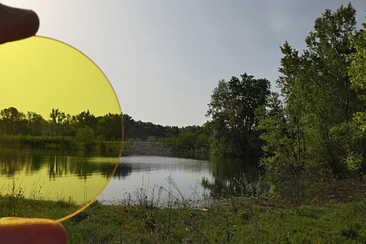
Yellow and orange tints filter blue light, making environments appear brighter and increasing contrast during foggy, hazy, or overcast conditions.
Recommended For:
- Dawn and dusk driving
- Hunting
- Indoor sports
- Gaming
- Overcast outdoor conditions
Blue & Purple
Primary Purpose: High-glare environments
Blue and purple tints help improve visual comfort in bright environments where glare and reflective surfaces are common.
Recommended For:
- Water sports
- Skiing
- Golf
- Bright, reflective environments
Additional Lens Features to Consider
UV Protection
Patients often assume darker lenses provide better UV protection, but tint and UV protection are two separate features. UV400 or 100% UV protection should always be included when needed. With CR-39 lenses, UV protection must be added. Most other modern lens materials naturally block harmful UV rays.
FL-41 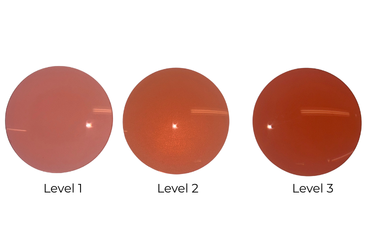
FL-41 is a specialized rose-colored filter designed to reduce specific wavelengths of blue-green light that are commonly associated with migraines, photophobia, and visual fatigue. It can be an excellent recommendation for patients who experience chronic light sensitivity.
Understanding Visible Light Transmission (VLT)
Visible Light Transmission, or VLT, measures how much light passes through a lens.
A darker lens has a lower VLT, making it ideal for bright outdoor conditions. For example, a Gray 3 tint typically allows only 10 to 15 percent of light to pass through while blocking approximately 85 percent of incoming light.
A Gray 2 tint allows more light through, making it a comfortable choice for everyday outdoor wear while still providing excellent glare reduction.
For fashion tints, density is often selected based on the desired appearance. Lighter percentages, such as 10 or 20 percent, provide a subtle hint of color without significantly darkening the lens.
Polarization
Polarized lenses do much more than darken a lens. They filter the horizontal light waves responsible for glare from roads, water, snow, and other reflective surfaces. The result is sharper vision, improved contrast, reduced eye strain, and greater visual comfort.
Polarization is an excellent recommendation for patients who spend significant time driving or participating in outdoor activities such as boating, fishing, skiing, or cycling.
Mirror Coatings
Mirror coatings provide both style and performance. By reflecting additional light away from the eyes, they offer extra comfort in extremely bright environments like beaches, open water, snowy landscapes, and other highly reflective settings.
When paired with the appropriate tint and polarization, mirror coatings create a premium sunwear solution that delivers outstanding glare reduction while offering a modern, fashionable appearance. Many patients also appreciate the added privacy mirrors provide by concealing their eyes.
Ask the Right Questions
The best recommendations begin with a conversation.
 Are your patients purchasing eyewear for a specific activity such as golf, running, fishing, skiing, or driving? Do they spend hours outdoors for work? Are they frequently on the water or around reflective surfaces? Do they experience migraines, light sensitivity, or visual fatigue? Do they drive during sunrise or sunset?
These questions help uncover opportunities to recommend the right tint, polarization, mirror coating, or specialty filter based on each patient's unique lifestyle.
When patients understand why you're recommending a particular lens enhancement, they are much more likely to see its value. Instead of viewing tints and mirrors as cosmetic upgrades, they begin to recognize them as performance features that improve comfort, safety, and everyday vision.
At IcareLabs, we believe the best eyewear solutions combine fashion and function. By taking the time to understand your patients' needs and recommending products that support the way they live, you create a better experience for every patient while naturally increasing premium lens and second-pair opportunities for your practice.
