
In a world filled with screens, fluorescent lighting, and bright sunlight, many people experience uncomfortable sensitivity to light — a condition known as photophobia. For those affected by migraines, benign essential blepharospasm (BEB), or chronic ocular pain, certain wavelengths of light can trigger symptoms ranging from eye strain to debilitating headaches. That’s where FL-41 tinted lenses come in: a scientifically studied optical solution designed to reduce light-induced discomfort and improve quality of life.
What Are FL-41 Tinted Lenses?
FL-41 is a specific filter tint developed through ophthalmic research in the 1980s and refined over decades. Unlike generic light-blocking glasses or blue-light filters, FL-41 lenses target a specific segment of the light spectrum — particularly blue-green wavelengths (around 480–520 nm) — believed to over-stimulate photosensitive pathways in the eye and brain.
This selective filtering allows the lenses to:
-
Reduce activation of light-sensitive retinal cells, especially intrinsically photosensitive retinal ganglion cells (ipRGCs), which can trigger cortical hyper-excitability.
-
Maintain visual clarity and contrast, unlike overly dark sunglasses or high-density blue blockers.
-
Provide relief without completely dimming the visual world.
Proven Benefits: What Studies Show
1. Relief from Photophobia and Ocular Pain
A recent study using functional MRI demonstrated that people with chronic ocular pain and light sensitivity experienced significantly lower unpleasantness ratings when wearing FL-41 lenses, compared with no tint. Brain regions associated with pain processing also showed reduced activation with the tint applied, suggesting that these lenses may physically modulate neural responses to light.
Case-in-Point:
In a group of 25 participants with chronic ocular pain and photophobia, the majority reported reduced light-induced discomfort when using FL-41 lenses, and brain imaging supported these subjective improvements.
2. Improvement in Benign Essential Blepharospasm (BEB)
In randomized crossover studies, patients with BEB — a condition marked by frequent blinking and eyelid spasms — experienced greater improvements in both subjective symptoms and objective blink measurements while wearing FL-41 lenses compared with gray or rose tinted lenses. EMG recordings showed reductions in blink frequency and eyelid contraction force.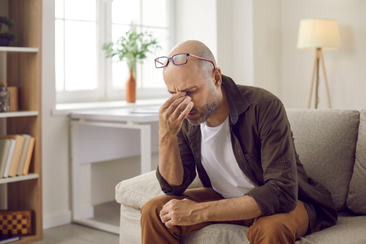
Real World Takeaway:
Someone with BEB might notice better light tolerance indoors, fewer spasms during reading, and less blinking under fluorescent lighting when wearing FL-41 vs conventional tints.
3. Migraine and Light Sensitivity
Although not all research is large-scale, several clinical and lab studies suggest that FL-41 tinting reduces migraine severity, light sensitivity, and overall discomfort — especially for people whose attacks are triggered or exacerbated by specific wavelengths emitted by screens and artificial lighting.
Pediatric Evidence:
In one randomized pediatric study, children with migraines wearing FL-41 glasses reported clinically meaningful relief in light sensitivity compared to blue-tinted lenses.
How Tint Density Affects Benefit
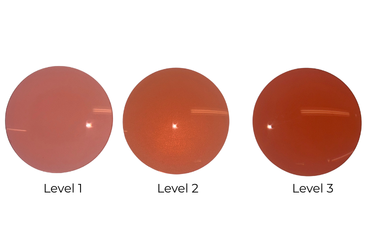
FL-41 lenses come in different tint densities, which influences both comfort and effectiveness:
| Tint Density Level | Typical Use | Benefits / Tradeoffs |
|---|---|---|
| Level 1 (≈25–35%) | Indoor / Screen Use | Subtle tint that reduces harsh flicker and strain with minimal color shift — ideal for offices or digital screens. |
| Level 2 (≈40–55%) | Mixed Indoor/Outdoor | Balanced protection from sunlight and artificial light; still comfortable for everyday wear. |
| *Level 3 (≈60–75%+) | Very bright environments | Stronger light attenuation for outdoor use or during intense photophobia; color perception may be more altered. |
Optometrists may customize densities depending on a patient’s needs and lifestyle.
What this means in practice:
-
Milder sensitivity often responds well to lighter tints, which help with indoor lighting and screen glare without overly darkening vision.
-
Moderate sensitivity, including frequent migraines or discomfort under fluorescent light, may benefit
 from medium densities that balance filtering and visibility.
 - Severe photophobia — such as strong reactions to sunlight, surgical lighting, or prolonged outdoor exposure — can justify darker FL-41 tints, though users sometimes pair these with a lighter pair for indoor tasks.
User Experience Insight:
Many people rotate between different tint strengths — lighter indoors and darker outdoors — to maximize comfort without compromising visibility. (Anecdotal accounts from long-term wearers reflect this strategy.)
Personal Stories: What Wearers Report
While clinical evidence supports FL-41’s efficacy, individual experiences vary:
-
Some users report dramatic reductions in light-triggered migraines and eye strain, allowing them to work under fluorescent lighting or use digital screens for longer.
-
Others emphasize the value of having multiple tint densities — e.g., a lighter pair for indoor/glare control and a darker pair for outdoor sunlight.
-
In a minority of cases, patients find that FL-41 provides modest relief or that the tint alters color perception more than they prefer, highlighting the importance of personalized prescription and trial.
Conclusion: A Smart Filter for Light Sensitivity
FL-41 tinted lenses are more than just “fashion glasses.” They are a precision optical tool with real physiological effects — backed by research showing reductions in photophobia, improved comfort for BEB patients, and benefits for many migraine sufferers. The degree of benefit often depends on tint density and use case, underscoring the need for individualized fitting and professional consultation.
If you experience light-induced discomfort, whether from screens, fluorescent lights, or sunlight, FL-41 lenses offer a promising, non-invasive approach to seeing the world more comfortably — one wavelength at a time.
