

In your optical business, pricing is about far more than the numbers on a tag. The psychology behind pricing plays a major role in how patients perceive quality, trust, and value. In many cases, higher pricing on premium branded lenses and frames can actually increase confidence in the product. Patients often associate recognized brands with advanced technology, better coatings, sharper optics, stronger warranties, and a more dependable overall experience. When positioned correctly, premium products signal professionalism and expertise, not just a higher number on the invoice.
Consumers naturally use price as a shortcut for judging quality, especially in healthcare-related purchases. If the price seems unusually low, patients may start asking themselves questions no one wants to hear out loud, like what was left out and why it is so far below the competition. Premium pricing, by contrast, often reassures patients that they are receiving a higher level of craftsmanship, customization, and long-term performance. In optical, where comfort and vision quality show up every single day, that reassurance matters.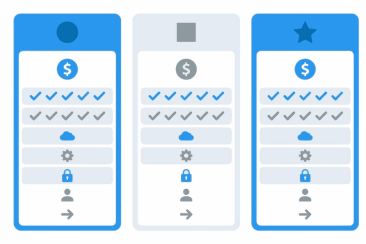
One of the most effective pricing strategies in optical retail is tiered pricing. Offering good, better, and best options helps patients compare value instead of staring down one final number like it is a pop quiz. A well-structured pricing system gives patients meaningful choices while guiding them toward products that fit their lifestyle and visual needs. Interestingly, introducing an ultra-premium option can make mid-tier products feel far more approachable and attractive.
A patient who hesitates at a premium lens package may suddenly view it as a very sensible choice when there is a luxury-level option sitting just above it. Perspective, after all, is doing a lot of work here.
The key is to focus conversations on benefits, not bargains. Patients are not simply buying lenses or frames. They are investing in clearer vision, reduced eye strain, durability, comfort, appearance, and better day-to-day performance. Staff who confidently explain the real-world advantages of premium products often see stronger patient satisfaction and better sales outcomes. People are much more willing to invest in quality when they clearly understand how it will improve everyday life.
When it comes to consumer psychology, percentage-off discounts tend to work better on products priced under $100 because the savings feel larger and more exciting relative to the purchase price. Seeing “20% OFF” on a $50 item sounds significant and creates an emotional reaction, even though the actual savings may only be $10. On higher-priced items, however, dollar-off promotions usually have a stronger impact because the customer can instantly understand the real savings.
A promotion that says “Save $200” on premium eyewear or lens packages feels more substantial and tangible than “20% OFF,” even if the discount is identical. In optical retail, this strategy can be especially effective when promoting premium lenses, second-pair packages, or luxury frames, where larger dollar amounts reinforce the perception of value while maintaining the premium image of the product.
At the end of the day, successful optical pricing is not about being the lowest-priced option in town. Competing purely on price often leads to tighter margins and lower perceived value. The most successful optical practices focus instead on building trust, demonstrating expertise, and offering products patients genuinely believe are worth the investment. When value is clear from the start, price tends to lose some of its dramatic flair.
